In Arizona, 42 civil aviation accidents were reported in 2023. Out of these, four accidents resulted in fatalities, while six were serious injury accidents. In 2022, the number of reported aviation accidents was 53, with eight fatal accidents and three serious injury accidents recorded. [1]
Aviation accidents refer to any incident involving an aircraft, whether an airplane, helicopter, or other aircraft type. These accidents can include plane collisions, hard landings, or incidents that happen while the aircraft is in flight, such as severe turbulence that results in injuries.
Aviation accidents and flight injuries can occur due to human factors, mechanical failures, environmental influences, and operational issues:
Pilot Error: Mistakes made by pilots, including misjudgment, poor decision-making, or failure to follow procedures.
Situational Awareness: Failure to maintain awareness of surrounding circumstances, leading to dangerous situations or mismanagement of emergency situations.
Aircraft Design Flaws: Inherent design defects can compromise safety.
Maintenance Issues: Poor maintenance practices or failure to address known issues can lead to mechanical failures (e.g., engine failure, control system malfunctions).
Component Failures: Breakdown of critical components (like brakes, landing gear, or electrical systems) due to wear or manufacturing defects.
Weather Conditions: Adverse weather, such as thunderstorms, fog, or icy conditions, can severely impact flight safety and operations.
Runway Conditions: Wet, icy, or compromised runway surfaces can affect landing and takeoff performance.
Air Traffic Control Errors: Miscommunication or errors by air traffic controllers can lead to mid-air collisions or runway incursions.
Falling Overhead Bin: This refers to injuries that occur when items stored in overhead bins fall out, either during takeoff, landing, or turbulence.
Hot Liquid Spills: When flight attendants serve coffee, tea, or other hot drinks, the potential for spills is heightened due to sudden movements of the aircraft or some other reasons. Spills can cause severe burns or scalding injuries, leading to pain and long-term complications.
Falls: Slips and falls caused by wet surfaces in the walkways may result in broken bones, sprains, or other significant injuries to the passengers.
Manufacturing Errors: Errors during the manufacturing process can result in defective parts or systems that fail during operation.
Turbulence: Unexpected turbulence can lead to sudden, uncontrolled movements of the aircraft, causing passengers and crew to be injured.
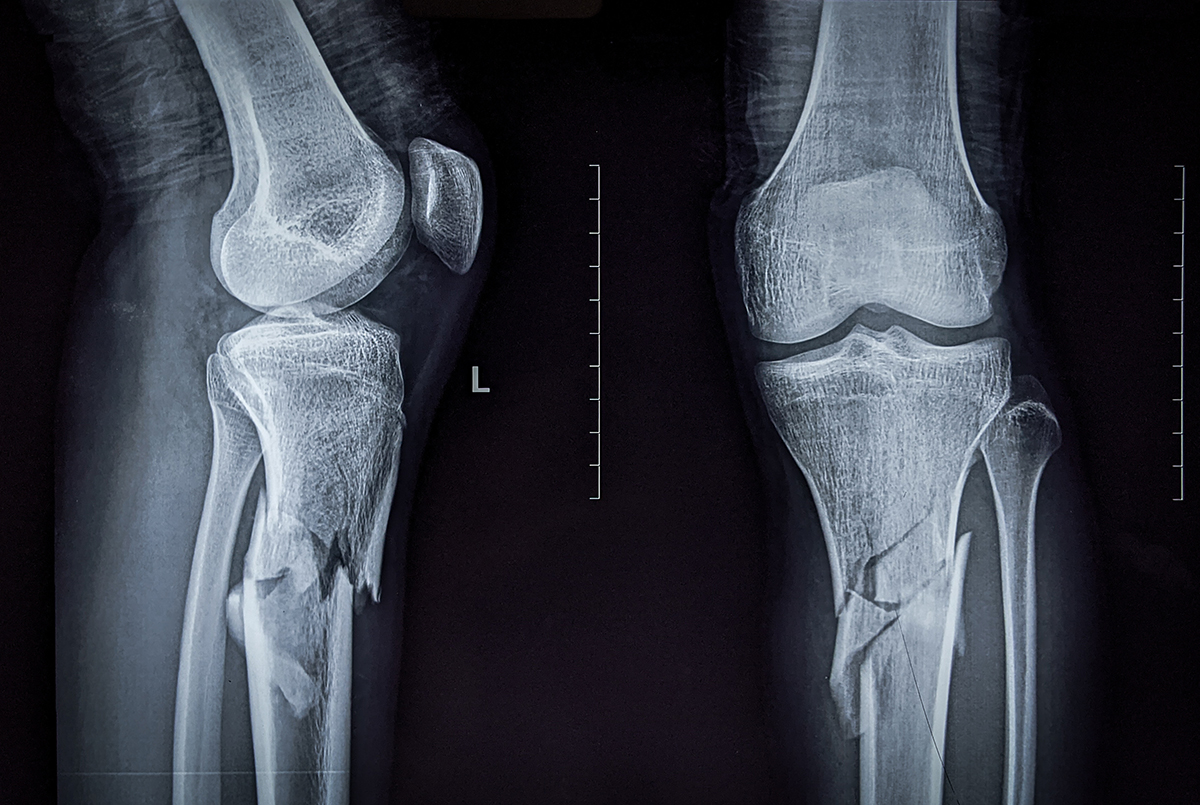
Aviation injuries can vary depending on the type of aviation accident involved. However, some common injuries include:
When an aviation accident occurs in Arizona, we work to assign responsibility due to negligent actions and begin pursuing damages to compensate you and your family.
Here are some key parties that may be deemed potentially liable in aircraft accidents:
Aircraft Operators: The primary responsibility for the safe operation of the aircraft lies with the operator. It includes airlines, charter companies, or individuals who own and operate private planes. Operators can be held accountable for accidents caused by pilot error, improper maintenance, or failure to ensure the safety of passengers.
Manufacturers: Aircraft manufacturers can be held responsible for accidents caused by design or manufacturing defects. The manufacturer may be liable if a malfunction or failure of components, such as engines or control systems, causes or contributes to the accident.
Maintenance Companies: Aircraft maintenance plays a significant role in ensuring safe operation. Companies responsible for aircraft maintenance can be held liable if negligence or mechanical failure results in an accident.
Air Traffic Control: In cases where an accident is caused by a navigational error, miscommunication, or other air traffic control errors, it may be possible to hold the responsible control center or individual air traffic controllers liable.
Government Entities: Depending on the circumstances, government agencies responsible for oversight and regulation of aviation, such as the Federal Aviation Administration (FAA) in the United States, may face liability if negligence in their regulatory duties contributes to the accident.
Third Parties: In some cases, parties not directly involved in operating or maintaining the aircraft may still be found partially liable for a plane crash. It can include aviation fuel suppliers, ground handling service providers, or companies responsible for loading cargo or baggage.
If you have been involved in an aviation accident in Arizona and wish to file a claim, there are several steps you should follow:
Seek Medical Attention: Your health and well-being should always be top priorities. Ensure you receive immediate medical attention for any injuries sustained in the accident. Documenting and establishing the extent of your injuries also helps to create the basis of your claim.
Preserve Evidence: Preserve any evidence related to the accident. It includes photographs or videos of the accident scene, damaged property, injuries, and other relevant evidence. Retain copies of any documents or reports related to the accident, such as accident reports, witness statements, and medical records.
Consult with an Aviation Accident Attorney: Consult with our experienced aviation accident attorneys. We can guide you through the legal process, provide valuable legal advice, and protect your rights.
Investigation and Gathering Evidence: Our flight injury attorney will conduct a thorough investigation to determine the cause of the accident and identify potential parties at fault. It may involve collecting evidence, reviewing maintenance records, analyzing flight data, and consulting aviation experts.
Determine Liability: Based on the evidence gathered, your aviation accident lawyer will determine which parties are potentially liable for the in-flight accident. It may include the airline, aircraft manufacturer, maintenance company, pilot, or other responsible parties.
File a Claim: We will assist you in preparing and filing a claim on your behalf. The claim will outline the details of the accident, your injuries, and the damages you have suffered and will be submitted within Arizona’s two-year Statute of Limitations. [2]
Negotiation or Litigation: In many cases, parties involved in aviation accidents prefer negotiating a settlement rather than proceeding to trial. Our airplane accident attorneys will advocate for your rights and negotiate with the responsible parties or their insurers. If a fair settlement cannot be reached, we may recommend taking the case to court.
Obtain Compensation: Filing an aviation accident claim is a way to seek compensation for injuries and damages. This can include medical bills, lost wages, pain and suffering, emotional distress, and other applicable damages. Our experienced aviation attorneys will work diligently to ensure you receive the compensation you are owed.
In Delaware, a range of aviation accidents involving various types of aircraft can occur. It involves commercial airlines, private jets, single-engine planes, helicopters, and other relevant aircraft types.
Exceptional Experience: Our knowledge and understanding of aviation regulations enable us to navigate complex legal proceedings, ensuring our clients receive the appropriate compensation for their losses. We have successfully represented numerous aviation accident victims and their families in aviation accident cases, establishing our ability to deliver favorable outcomes.
Exceptional Client Advocacy: At Bohrer & Lukeman, we prioritize your best interests, always fighting tirelessly to obtain fair and just outcomes. We work diligently to maximize compensation to cover medical expenses, lost wages, rehabilitative care, and other damages resulting from the aviation accident.
Fight For Fair Compensation: We conduct thorough investigations, gather compelling evidence, consult with experts, and accurately assess the full extent of our client’s damages. In doing so, we negotiate comprehensive compensation for all present and future costs associated with the aviation accident.
The list of major airports in Arizona includes the following:
Address: 6940 N Air Terminal Rd, Douglas, AZ 85607, United States
The Bisbee-Douglas International Airport serves as a commercial and general aviation hub in southern Arizona.
Address: 6200 S Pulliam Dr, Flagstaff, AZ 86005, United States
Being the nearest commercial airport to the Grand Canyon, it serves as a central travel hub to various places like Sedona, Horseshoe Bend, Vermilion Cliffs National Monument, and Antelope Canyon.
Address: 4800 E Falcon Dr, Mesa, AZ 85215, United States
Falcon Field Airport is a medium-sized airport that offers general aviation and corporate traffic seeking to avoid congestion at the larger airport.
Address: 7000 Flightline Dr, Kingman, AZ 86401, United States
Instead of catering to commercial airlines, Kingman Airport (IGM), situated in Kingman, Arizona, primarily focuses on providing services for general aviation and cargo operations.
Address: 238 10th Ave, Page, AZ 86040, United States
The airport is commonly used to promote tourism in the area.
Address: 6033 S Sossaman Rd, Mesa, AZ 85212, United States
The airport caters to a wide array of aviation operations, such as scheduled passenger service, charter service, and general aviation services.
Address: 6600 Airport Ave, Prescott, AZ 86301, United States
Prescott Regional Airport is an integral part of the local economy as it facilitates business travel, and offers essential connectivity for residents.
Address: 3400 Sky Hbr Blvd, Phoenix, AZ 85034, United States
PHX is known as America’s friendliest airport, but you may not see it that way if you have been injured on a flight out of PHX. American Airlines uses the PHX airport as a hub, while Frontier Airlines and Southwest Airlines have their bases there.
Address: 15000 N Airport Dr, Scottsdale, AZ 85260, United States
Scottsdale Airport serves as a vital economic asset for Scottsdale and the surrounding region.
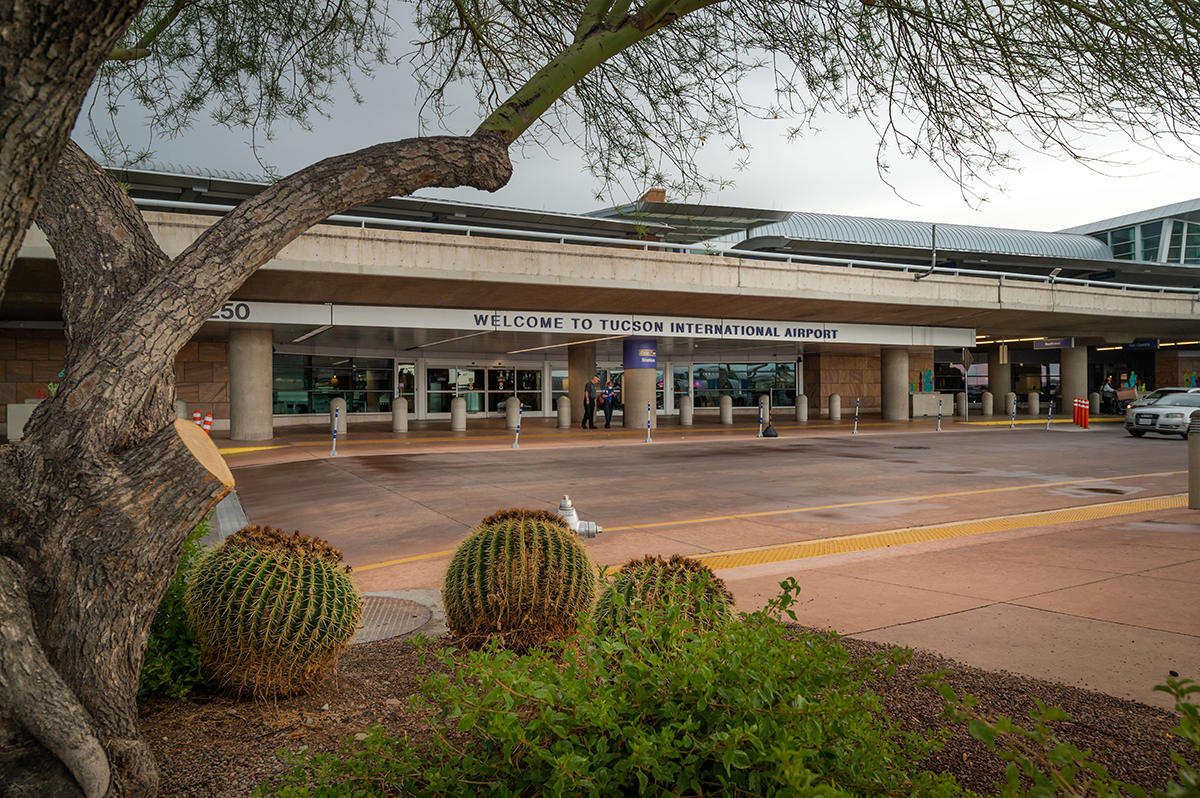
Address: 7250 S Tucson Blvd, Tucson, AZ 85756, United States
TUS is the second busiest airport in Arizona, and it serves as a pivotal transportation point for regional residents.