Se Habla Espanol
When you need one of the best aviation injury attorneys Serving West Virginia
West Virginia Aviation Attorney
Aviation accidents can lead to devastating injuries, and the legal complexities that follow can be overwhelming. You have the right to seek compensation for your injuries, medical bills, lost wages, and more.
Our experienced West Virginia aviation injury lawyer will work tirelessly to hold responsible parties accountable. Our team is dedicated to ensuring you get the justice and compensation you deserve for your in-flight injury.
Contact us today for a FREE, no-obligation consultation. We’ll review your case, explain your options, and help you take the next steps. Our team is here to provide the guidance and support you need during this difficult time.
Call 1-888-738-8539or fill out our online form now to get started.

In the quiet of an airplane cabin, high above the ground, everything can change in an instant. What started as a routine flight can quickly turn into a nightmare when you’re injured mid-air.
The pain hits without warning, and for a moment, the world feels upside down. It’s not just the physical pain that lingers—it’s the shock, the fear, and the feeling of being completely helpless in a place where you should feel safe.
In West Virginia, as in the rest of the United States, several authorities oversee the regulations and procedures related to in-flight injuries. These organizations ensure that passenger safety is maintained and that victims of in-flight incidents receive the necessary protections. The primary authorities involved include:
These organizations work together to ensure that in-flight injuries are properly addressed, from immediate care to follow-up actions.
Aviation is widely recognized as one of the safest modes of transportation, with advancements in technology, regulations, and training consistently enhancing the safety of air travel. Nevertheless, accidents still occur and the leading causes of aviation accidents and in-flight injuries encompass a complex interplay of the following factors:
Collisions with birds during takeoff, landing, or flight can cause significant damage to aircraft, and despite the measures airports implement to mitigate this risk, bird strikes remain an ongoing concern for aviation safety.
Issues arising from improper maintenance practices, such as incorrect repairs or oversight of necessary inspections, can be exacerbated by incomplete or inadequate maintenance logs.
Failures of engines, control systems, and other critical components can result in accidents. Besides, insufficient maintenance, manufacturing defects, or inadequate inspections are also contribute to mechanical issues.
Human factors, including misjudgment, fatigue, poor communication, and failure to follow procedures, are primary causes of aviation accidents, and decision-making issues that arise under pressure frequently lead to critical errors.
Unintentional occupancy of the runway by vehicles, pedestrians, or other aircraft can lead to accidents, and factors such as poor visibility, communication errors, and procedural lapses can further contribute to these runway incursions.
Sudden and unexpected turbulence can cause passengers and crew to be thrown around, leading to injuries.
Adverse weather conditions, such as thunderstorms, heavy rain, fog, ice, and turbulence, can lead to accidents, particularly when pilots lack the skills or experience necessary to navigate these challenging conditions, especially in small aircraft.
Here’s a list of potential causes of in-flight injuries that could lead to lawsuits against airlines:
Slip-and-Falls: Passengers may slip and fall in the aisles, lavatories, or entryways, especially if the surfaces are wet, slippery, or obstructed. If the airline neglects to maintain a safe environment, they could be held liable.
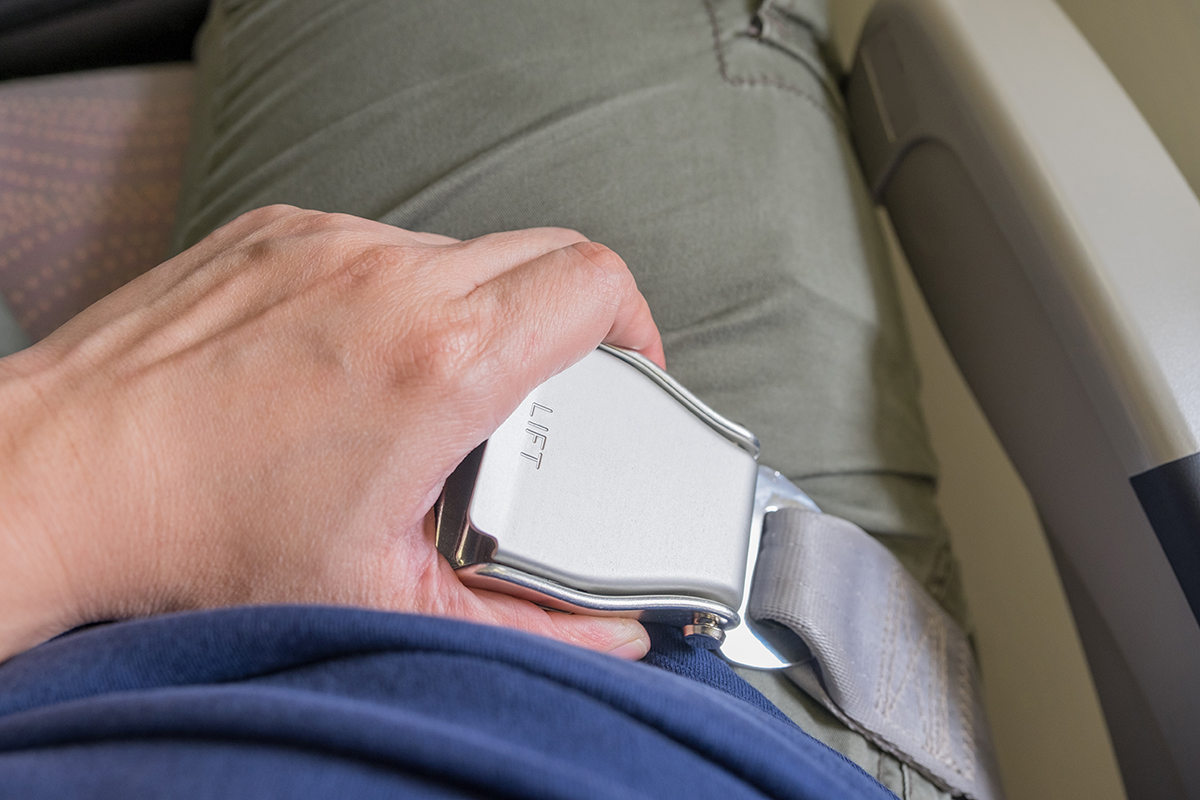
Seatbelt-Related: If passengers are not properly secured with seatbelts during turbulence, an emergency landing, or sudden deceleration, they may suffer injuries. Airlines may be at fault if they fail to ensure passengers are safely strapped in.
Luggage-Related: Unsecured luggage in overhead bins can fall during turbulence or when the bins are opened, potentially causing head, shoulder, or limb injuries. Airlines can be held accountable if they fail to secure luggage or maintain bins properly.
Plane Crashes: Injuries or fatalities from a plane crash, whether caused by mechanical failures, weather conditions, or pilot error, could lead to lawsuits if the airline is found to be negligent in maintaining the aircraft or addressing potential safety risks.
Food Service-Related: Passengers or crew members may sustain burns, cuts, or slips during food or beverage service. If the airline fails to safely conduct service or neglects to warn passengers of risks, they may be liable for the injuries caused.
Overhead Bin Accidents: Improperly maintained or overloaded overhead bins can cause items to fall unexpectedly, injuring passengers. Airlines could be held responsible if they fail to maintain these bins safely.
Turbulence-Related: Severe turbulence can throw passengers or crew members around the cabin, resulting in injuries like bruises, sprains, or fractures. If the airline fails to warn passengers or secure the cabin adequately, they may be held accountable.
Service Trolley Accidents: Service trolleys used during flight can cause injury if they collide with passengers due to turbulence or improper handling by flight attendants. The airline could be sued for negligence if the trolley is mishandled or improperly secured.
Emergency Evacuation Related: During an emergency evacuation, passengers may be injured while exiting the aircraft, such as tripping, falling, or being crushed in crowded conditions. If the airline fails to provide proper evacuation procedures or training, it could be held responsible for the injuries.
Each of these situations involves potential airline negligence, where the airline may be held accountable for the safety and well-being of its passengers during the flight.
The Montreal Convention is an international treaty that governs airline liability for passenger injuries, including in-flight accidents. It establishes the rights of passengers in the event of injury or death caused by incidents during international flights.
Under this convention, airlines are held strictly liable for injuries sustained during the course of a flight, except in cases of extraordinary circumstances, such as passenger misconduct or third-party actions.
The Montreal Convention also outlines the process for compensation, including medical costs, lost wages, and pain and suffering. It provides a framework for passengers to seek legal recourse when injured aboard international flights, ensuring they are compensated fairly for their losses.
In-flight incidents can result in a variety of injuries, ranging from minor discomfort to more severe trauma. Here are some common flight injuries :
Airlines that fly to West Virginia include:
Establishing fault in an aviation injury claim in West Virginia involves proving that the airline, its staff, or another party was negligent and that their actions (or lack thereof) directly led to the injury. Here are the key steps and considerations in such a claim:
You (the injured party) must prove liability through various means:
Airlines and their insurers often have strong defenses:
Establishing fault in an in-flight injury case can be complex, especially with federal and state laws governing aviation. Consulting with our flight injury attorney can help you navigate the legal process and give you the best chance for a favorable outcome.
Here is the list of major airports in West Virginia with their locations:
Victims of in-flight accidents in West Virginia, like in other states, may be eligible to claim various types of damages depending on the nature and severity of the injury.
These damages are typically divided into two main categories: compensatory damages and, in some cases, punitive damages. Here are the types of damages available:
Compensation for any medical treatment required immediately after the injury, including hospital stays, surgeries, doctor visits, physical therapy, and prescriptions.
If the injury results in long-term care, rehabilitation, or ongoing medical treatment, victims may be awarded damages to cover these future costs.
This compensates the victim for the physical and emotional pain caused by the injury. It includes both the immediate pain from the injury and the long-term discomfort or suffering the victim may endure.
Victims who are unable to work due to their injuries may be entitled to compensation for lost income. This could include both past wages lost during recovery and future wages if the injury impacts the victim’s ability to return to work.
If the injury leads to long-term disability or reduces the victim’s ability to earn a living in the future, they may receive compensation for the diminished earning potential.
In cases where the accident causes significant emotional trauma or psychological harm (e.g., post-traumatic stress disorder, anxiety, depression), victims may be entitled to compensation for emotional distress.
This is compensation for the loss of companionship, intimacy, and support suffered by the spouse of the injured party due to the accident.
If personal property, such as luggage or electronics, is damaged during the accident, the victim may be entitled to compensation for the cost of repair or replacement.
In rare cases, punitive damages may be awarded if the airline or other responsible parties acted with gross negligence or intentional misconduct. These damages are meant to punish the responsible party and deter future reckless behavior.
If the injury results in permanent disfigurement or disability, the victim may receive compensation for the lasting impact on their physical appearance or functional abilities.

In West Virginia, the Statute of Limitations for filing a personal injury claim, including in-flight accidents, is 2 years from the date of the injury. [1]
For wrongful death or property damage claims, the limit is also 2 years from the date of death or damage. Special circumstances, such as the victim being a minor, may affect the time limit. File claims promptly to avoid losing the right to sue.
If you have been involved in an aviation accident in West Virginia, the Law Office of Bohrer & Lukeman is here to help you navigate the legal complexities of your case. Our team of experienced aviation accident attorneys is dedicated to securing the compensation you deserve for your injuries, losses, and damages.
If you or a loved one has been injured in an aviation accident, don’t delay. Contact the Law Office of Bohrer & Lukeman for a free consultation. We will review your case, explain your legal options, and fight for the compensation you deserve. Let our West Virginia aviation attorneys handle the legal complexities while you focus on recovering.

Source:
[1] West Virginia Code Section 55-2-12. (n.d.). West Virginia Code. https://code.wvlegislature.gov/55-2-12/
We Represent Clients From All Over West Virginia Who Have Been Injured in Aviation Accidents.